|
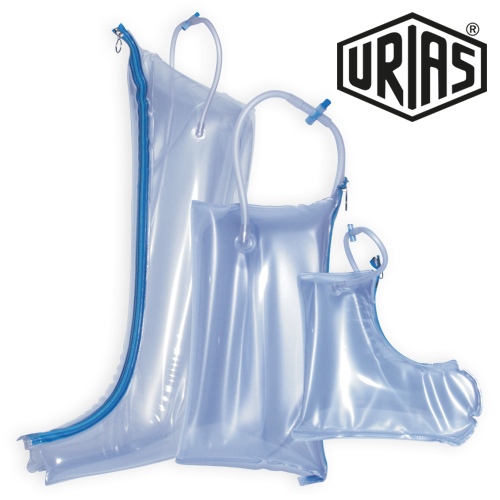
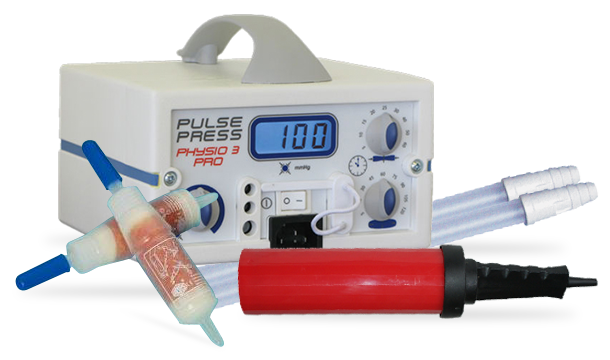
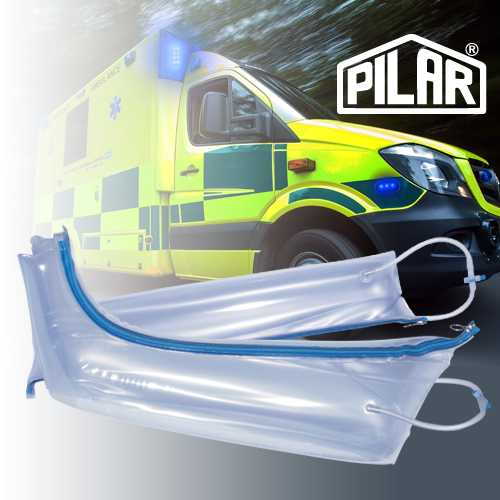
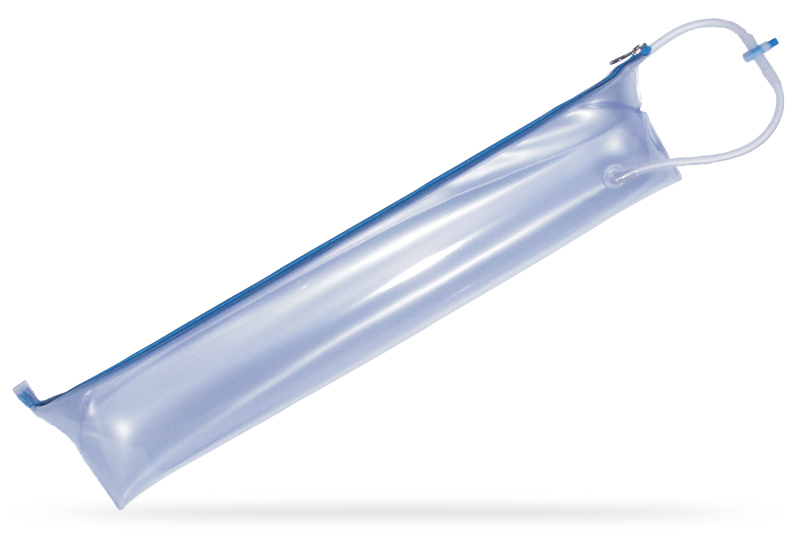
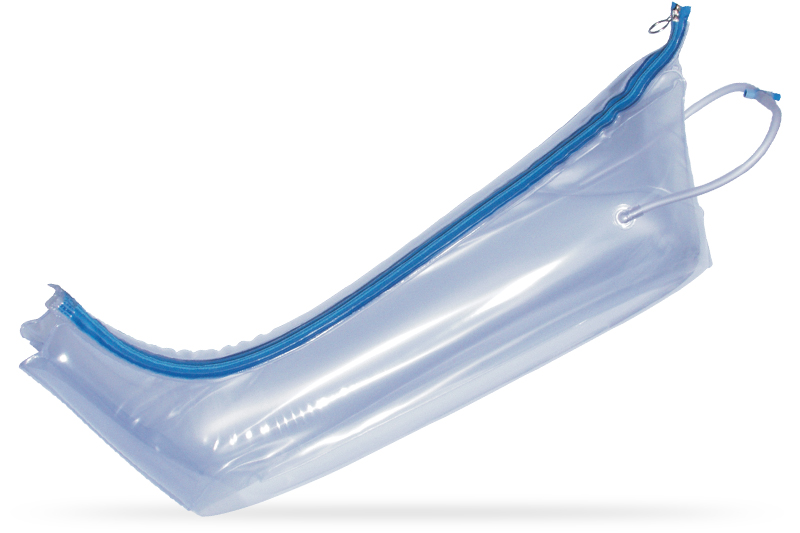
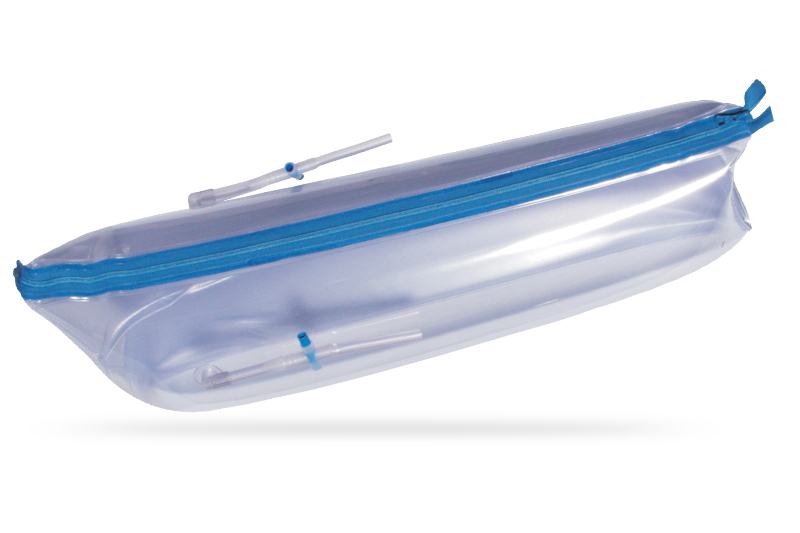
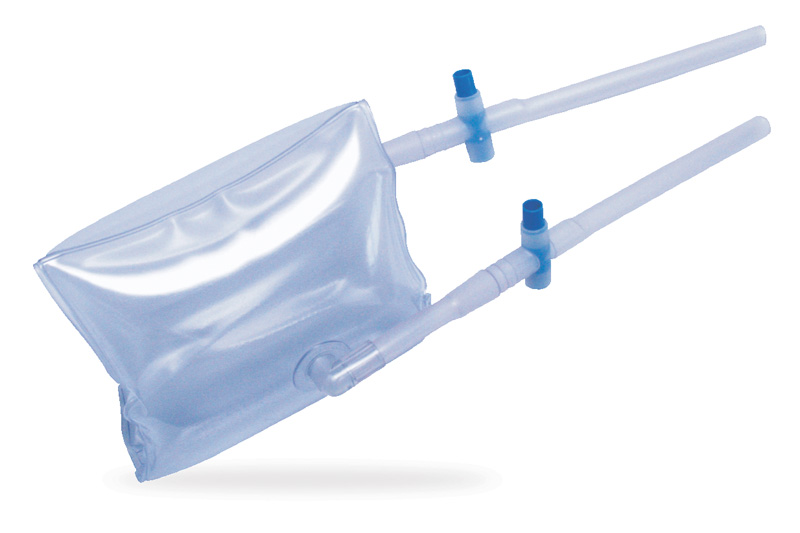
Arden Medical is a company that manufactures and distributes medical devices for hospital and homecare patients worldwide. Primary products include a range of non-sterile specialist inflatable Air Splints and accessories for an aid to rehabilitation of Cerebral strokes, head injuries, Multiple Sclerosis and post operative limb surgery. Initially designed and developed as an aid to the "Margaret Johnstone Concept" of Cerebral Stroke Rehabilitation, the unique Urias branded Splints have become an invaluable aid in most techniques used in modern day rehabilitation cycles, including extension into special sized Urias paedictoric, junior and child splints for therapy often found benifitial in cases of Cerebral Palsy, Brain Damage, Development Delay or Post Oporative Orthopaedics.
The Theatrical and Practical Framework of PANat Incorporating the Margaret Johnstone Concept
In the 1970’s Margaret Johnstone FCSP pioneered the use of air splints in active training of the hemiplegic limb in the severely impaired stroke patient. This concept has been updated by integrating contemporary principles of movement science and evidence based practice into the theoretical and practical framework of PANat. It incorporates therapy tools in training sessions developed by therapists and ideas of stroke patients to meet their specific needs.
Summary of PANat PRO-Active approach
PANat - PRO-Active approach to Neurorehabilitation integrating Urias® air splints, and other therapy tools. PANat is a further development of the Johnstone concept. It has been updated by integrating contemporary principles of movement science and evidence based practice into the theoretical and practical framework of PANat. It incorporates therapy tools in training sessions developed by therapists and ideas of stroke patients to meet their specific needs and goals.
Introduction
Movement is necessary for the individual to participate and enjoy life at home, in the community and workplace.
Many stroke patients with low sensory-motor recovery use the unaffected side to
accomplish daily tasks thus reinforcing failure to integrate the severely impaired
hemiplegic limb into meaningful functional activity. As a consequence they may develop
learned nonuse, muscle stiffness, contractures and pain.
Studies have shown that adding repetitive and early stimulation in training for the upper
hemiplegic limb of the stroke patient, with pronounced muscle weakness or a severely
paralyzed arm using the air splint, can have an effective long lasting effect on motor
function.
Interventions encouraging specific and intensive training with the hemiplegic limbs are
made possible by adapting the task and the environment using Urias® inflatable air
splints and other therapy tools ( e.g. rocking chairs, balance sticks. This adapted
situation becomes a learning environment, to motivate patients to train selectively control of movements with their severely impaired hemiplegic limbs in a part task activity. This can then contribute over time to a better performance of the agreed upon goal task.
The PRO-Active approach is particularly suited to treat stroke patients with severe
sensory motor impairments. Incorporating the principles of PANat using interventions
with the hemiplegic limb that are repetitive, intensive and selective in all phases of
stroke rehabilitation, is one method with the potential to enhance the mechanism of
neuroplasticity and promote effective and efficient goal-directed motor training.
Emphasis is placed on giving the individual an opportunity for self-directed practice with
the hemiplegic limbs both during and outside supervised therapy sessions and 'especially' in the home environment.
For more information on the PANat PRO-Active approach please visit:
The PANat website
|